Why Residential & Commercial Concrete Can Enhance Durability
Top Concrete Services Every General Contractor Should Offer
Construction professionals hold an important position in building projects, particularly when it comes to concrete-related services. Essential offerings like concrete foundations and surface work ensure structural soundness. Additionally, ornamental concrete treatments can enhance aesthetic appeal. However, maintenance and innovative solutions are equally important for durability and long-term value. Grasping these fundamental services can have a major effect on project success. What specific strategies can contractors implement to optimize their concrete offerings?
Vital Concrete Foundations Across Every Project
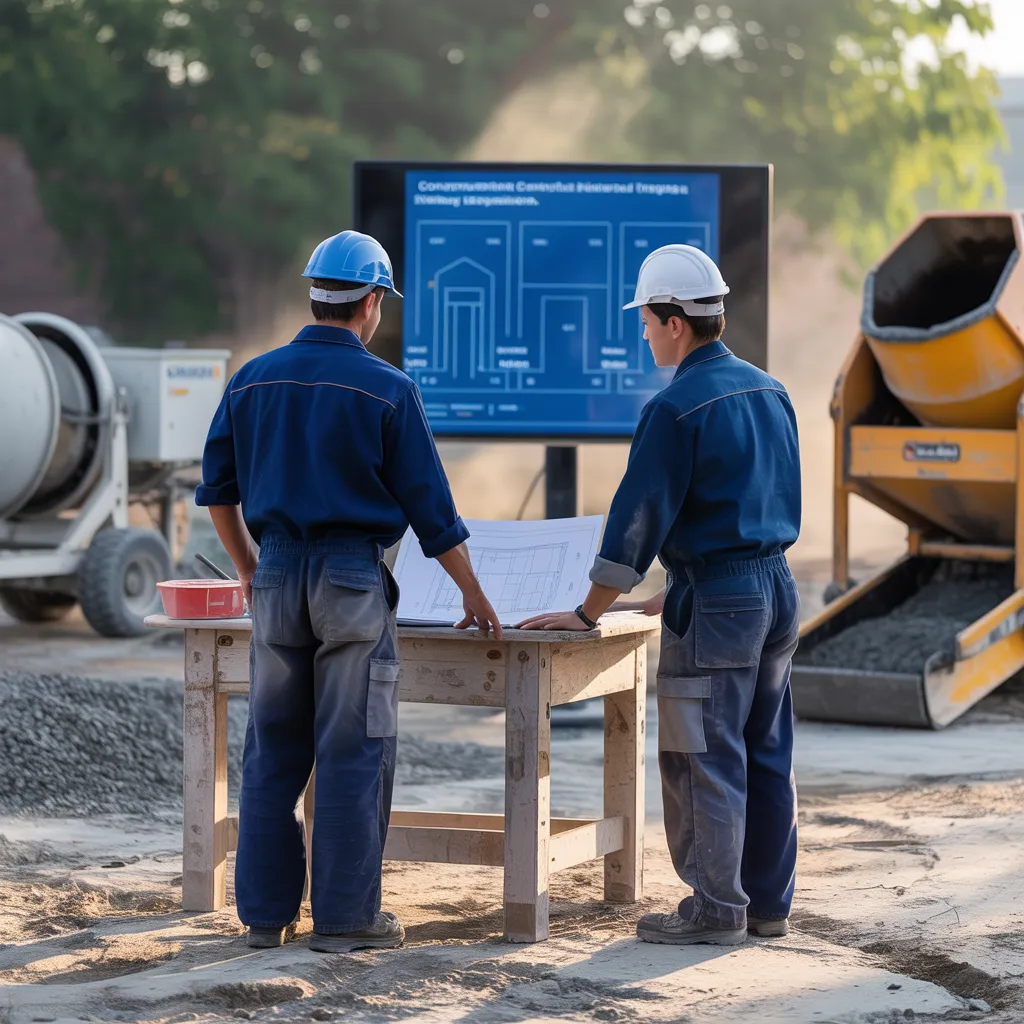
A robust foundation is essential for any construction project, serving as the core of structural integrity. It offers stability, minimizes settlement, and secures the longevity of the structure. Proper foundation design commences with an assessment of soil conditions, load requirements, and environmental factors. General contractors must focus on the selection of high-quality materials, as they directly affect the durability and performance of the foundation. The choice between various foundation types—such as slab, pier, or crawl space—is determined by the specific project needs and local building codes. Additionally, meticulous attention to detail during the pouring and curing process is essential to avoid future complications. Effective coordination with engineers and architects during the planning phase strengthens the foundation's alignment with overall project goals. By emphasizing these aspects, general contractors can ensure a robust foundation that supports the entire structure, protecting the investment and ensuring safety for years to come.
Practical copyrightples of Versatile Concrete Flatwork Uses
A variety of concrete flatwork applications highlight its flexibility in numerous construction settings. One prominent use is in the creation of driveways, providing durable and long-lasting surfaces that withstand heavy loads. Sidewalks and walkways are another essential application, offering safe pedestrian access in residential and commercial areas. Concrete patios enhance outdoor living spaces, allowing homeowners to enjoy gatherings and leisure activities.
Furthermore, industrial settings benefit from concrete flooring, which handles equipment and high volumes of traffic while remaining easy to maintain. Parking lots also utilize concrete flatwork, ensuring a robust surface for vehicles. Moreover, pool decks constructed with concrete offer a non-slip surface that improves safety near swimming pools.
These varied use cases demonstrate how concrete flatwork addresses practical requirements while acting as a cornerstone of many construction projects, making it an essential service for general contractors.
Decorative Concrete Treatments That Revitalize Spaces
Decorative concrete finishes offer general contractors numerous possibilities to improve the visual appeal of various spaces. Stained options, stamped concrete patterns, and polished surfaces each provide distinct textures and hues that can significantly change surroundings. These surfaces not only enhance the visual appeal but also improve the practical flexibility of concrete uses.
Stamped Concrete Designs
In what ways do stamped concrete designs enhance the visual appeal of both outdoor and indoor areas? These versatile surfaces mimic natural materials like stone, tile, or wood, providing a sophisticated look without the high cost. Through the use of diverse patterns, colors, and textures, stamped concrete can beautify patios, walkways, and interior floors alike, converting everyday spaces into visually captivating settings.
General contractors who provide stamped concrete solutions are well-equipped to meet a wide range of client needs, ensuring each project reflects individual style. The long-lasting nature and easy maintenance of stamped concrete enhance its overall attractiveness, making it a practical choice for many applications. Ultimately, stamped concrete designs serve as an effective solution for enhancing the beauty and functionality of both residential and commercial spaces.
Polished Concrete Surfaces
Among the many flooring choices on the market, polished concrete surfaces stand out as a transformative choice for both home and business environments. Such surfaces deliver a clean, modern appearance, improving the overall design and utility of any space. The process involves grinding and polishing the concrete to achieve a high-gloss finish, which both heightens aesthetic appeal and strengthens durability. Polished concrete is resistant to stains and spills, rendering it a highly practical solution for busy environments. Additionally, it reflects light, contributing to energy efficiency by reducing the need for artificial lighting. Being a highly flexible choice, polished concrete can be customized with various aggregates and finishes, enabling general contractors to address varied client needs while achieving outstanding outcomes.
Stained Concrete Options
What choices are available for improving concrete appearance? Stained concrete delivers a comprehensive method for turning ordinary surfaces into colorful, attention-grabbing designs. Professional contractors are able to provide numerous staining methods, such as acid stains, which interact chemically with the concrete to create deep, translucent hues, and water-based stains that provide a broader palette and easier application.
These stains can be applied in multiple ways, allowing for unique patterns and finishes that enhance the visual appeal of both indoor and outdoor spaces. Moreover, integrating stains alongside other decorative techniques, including engraving or stamping, can result in complex and visually striking patterns. With the addition of stained concrete choices, contractors can fulfill client requirements for exceptional, beautiful settings while maintaining structural integrity and ease of maintenance.
How to Preserve Your Concrete in Excellent Condition
Preserving concrete necessitates a systematic approach to safeguard its long-lasting performance and aesthetic appeal. A consistent cleaning schedule, together with effective protective sealing methods, can greatly improve resilience. Additionally, tackling repairs in a timely manner is critical to stop further degradation and preserve the structural soundness of the pavement.
Scheduled Cleaning Routine
A structured cleaning routine is vital to preserving the integrity and appearance of concrete surfaces. Consistent upkeep prevents the collection of dirt, grime, and stains that may compromise the material over time. Contractors should recommend pressure washing as a primary method for deep cleaning, ensuring that debris is effectively removed without damaging the surface. Moreover, incorporating a mild detergent can boost cleaning performance, particularly in addressing oil or grease stains. How often cleaning is required may depend on environmental factors and usage patterns, though a twice-yearly schedule is typically recommended. Adding sweeping and targeted spot cleaning to regular upkeep can additionally prolong the lifespan of concrete surfaces. In the end, a committed cleaning routine plays a significant role in the lasting quality and visual appeal of concrete installations.
Essential Sealing Practices
Proper sealing methods are critical for protecting the lifespan and aesthetics of concrete surfaces. Professional contractors should highlight the necessity of choosing the appropriate sealant according to the surroundings and purpose of the concrete. Acrylic, epoxy, and polyurethane sealers each offer unique benefits, such as UV resistance or flexibility. Installation should take place under favorable weather conditions, confirming that surfaces are thoroughly clean and dry. Proper curing time is critical; a sealant should be allowed to set according to manufacturer guidelines. Furthermore, contractors should inform clients about upkeep procedures, Demolition including reapplication timelines, to maximize effectiveness. In the end, applying sound sealing methods not only improves visual appeal but also shields concrete from water, stains, and other harmful factors.
Prompt Repairs Required
Timely maintenance is vital for preserving concrete surfaces in peak condition and avoiding additional deterioration. Fractures, chips, and surface deterioration can develop into major problems if left unattended. General contractors should routinely inspect concrete for signs of deterioration, such as discoloration or uneven surfaces, which may indicate underlying problems. Employing suitable repair materials is critical; epoxy injections provide a reliable solution for sealing cracks, while resurfacing products can rehabilitate deteriorated areas. Furthermore, proactive maintenance measures such as filling joints and applying protective coatings help extend durability. By addressing these repairs promptly, contractors boost the appearance of the concrete while also prolonging its service life, guaranteeing client satisfaction and reducing expensive future repairs. Routine care preserves the structural soundness and safety of concrete surfaces.
Advanced Concrete Solutions for Sustainable Building
As the construction industry increasingly prioritizes sustainability, innovative concrete solutions are emerging to meet both environmental and structural demands. One significant advancement is the development of eco-friendly concrete mixes that incorporate recycled materials, including crushed glass or manufacturing byproducts, diminishing dependence on raw natural resources. Additionally, self-healing concrete technologies are gaining traction, utilizing bacteria or special polymers that repair cracks autonomously, thus prolonging the material's durability while lowering upkeep expenses.
Additionally, permeable concrete is being utilized to manage stormwater effectively, enabling water to filter through and minimize runoff. This not only reduces flooding but also encourages groundwater replenishment. Lastly, the integration of carbon capture technologies in concrete production presents a promising avenue for reducing greenhouse gas emissions. These innovative approaches not only enhance structural integrity but also contribute to a more sustainable construction future, aligning with the growing demand for environmentally responsible building practices.
Choosing Quality Concrete: Key Factors
How can contractors guarantee they select the highest quality concrete for their projects? The solution rests in recognizing several important factors. To begin, they should assess the concrete mix design, which must correspond with the particular demands of the project. This encompasses determining the proper balance of cement, aggregates, and water to secure maximum strength and durability.
Additionally, construction professionals must copyrightine the supply of materials. Working with trusted suppliers who follow industry guidelines can substantially affect construction quality. Testing the concrete for consistency and performance characteristics, like compressive strength and ease of use, is likewise necessary.
Additionally, curing environmental conditions can impact the end result. Contractors must ensure appropriate curing methods are followed to improve the concrete's durability. Finally, staying informed about advancements in concrete technology can help contractors choose innovative solutions that improve performance. By prioritizing these considerations, contractors can ensure they deliver exceptional concrete services.
Questions We Often Receive
What Are the Usual Costs Connected to Concrete Services?
Standard costs for concrete work differ considerably, usually spanning from $3 to $15 per square foot. Factors influencing pricing include labor, materials, location, project complexity, and any extra features or finishes needed.
How Long Does It Take for Concrete to Cure Properly?
Concrete typically takes approximately 28 days to fully cure, reaching its maximum strength. That said, early set times can fluctuate, often allowing for light foot traffic between 24 and 48 hours after being poured, subject to surrounding conditions.
What Are the Ecological Effects of Concrete Manufacturing?
Concrete manufacturing considerably contributes to carbon emissions, resource depletion, and environmental degradation. The extraction of raw materials, resource-heavy production methods, and the logistics of material transport intensify sustainability issues, highlighting the need for eco-friendly approaches in the construction industry.
Can You Pour Concrete During Cold Weather Conditions?
Absolutely, concrete may be poured in cold conditions, but certain precautions must be taken. Employing additives, insulating blankets, and heated enclosures helps secure correct curing and avoids freezing, which could compromise the concrete's strength and durability.
What Forms of Reinforcement Are Employed in Concrete Structures?
Concrete constructions commonly employ steel rebar, wire mesh reinforcement, and fibrous materials. These components strengthen tensile capacity, minimize fracturing, and boost general resilience, guaranteeing structural integrity and long-term performance across diverse environmental conditions and stress loads.